Cultural Safaris in the Masai Mara

What Are Cultural Safaris in the Masai Mara?

Cultural safaris in the Masai Mara offer more than wildlife viewing—they’re immersive journeys into the heart of Maasai life. From sleeping in a traditional manyatta hut to participating in age-old rituals, these safaris are about a meaningful connection with Kenya’s most iconic cultural group. Our trip to Maji Moto Maasai Cultural Camp was one such unforgettable experience.
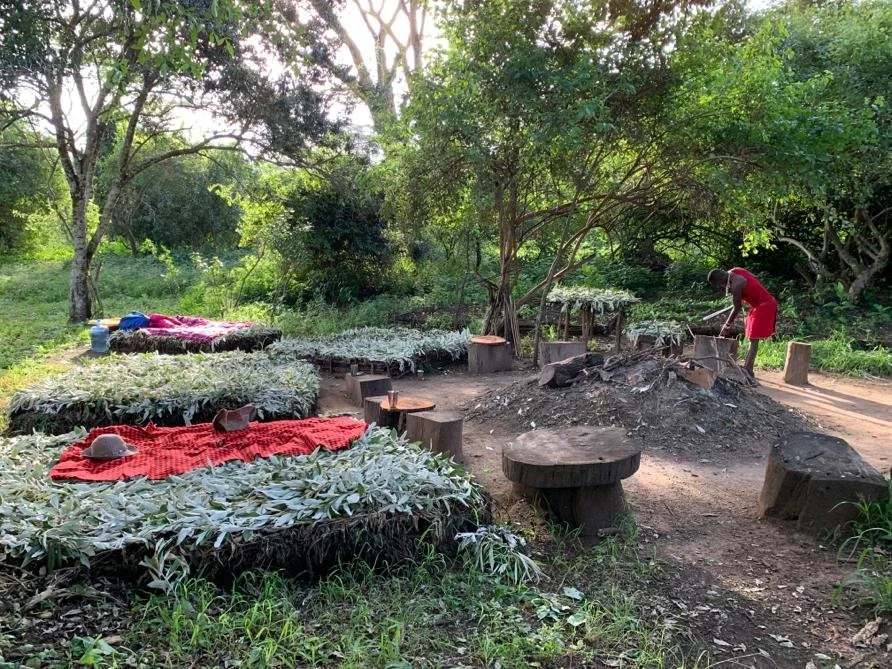
 

Traditional Masai Beds under the stars

The Journey Begins: From Ngong to Suswa

Our adventure began at the Ngong SGR train station, accompanied by my 16-year-old daughter and my colleague Mercy. Although the station seemed abandoned at first, we were reassured by the security that the train was punctual—and it was! At 9:30 AM sharp, we departed for Suswa.

The train journey was breathtaking. Rolling through the Great Rift Valley, we passed Maasai herders with their cattle, dramatic landscapes, and tranquil villages. After a brief stop at Mai Mahiu, we arrived in Suswa at 10:30 AM, where our driver was ready to take us to the camp.

A Taste of Narok: Red Chilli Café

On our way, we stopped at Narok Mall for snacks and coffee at Red Chilli Café—highly recommended for their coffee and fries. Refreshed, we continued on the newly tarmacked Narok-Sekenani Road before turning onto a dirt road that led to the camp. (Tip: A 4×4 is essential during the rainy season.)

Welcome to Maji Moto Maasai Cultural Camp

Nestled on 200 acres along the slopes of Loita Hills, Maji Moto Maasai Cultural Camp is a peaceful sanctuary run by Salaton and Susan, both deeply committed to preserving Maasai culture.

We were welcomed with a vibrant Maasai dance and shown to our manyatta, a traditional hut made from sticks, cow dung, and grass. Inside were modern comforts, a bed, mosquito net, and wardrobe, while bathrooms were located a short distance away for the full cultural experience.


Learning and Living the Maasai Way

After a hearty bush lunch and chilled Chardonnay, our cultural safari continued with a visit to the natural hot springs that give the camp its name—“Maji Moto,” or “hot water” in Swahili. These springs heat the camp’s showers and cooking water naturally.

We then joined Salaton for a guided nature walk, where he shared traditional herbal remedies passed down from his mother, a respected medicine woman. At the top of a small hill, a magical sundowner tea setup awaited us. Surrounded by birdsong and cowbells, the moment felt otherworldly.
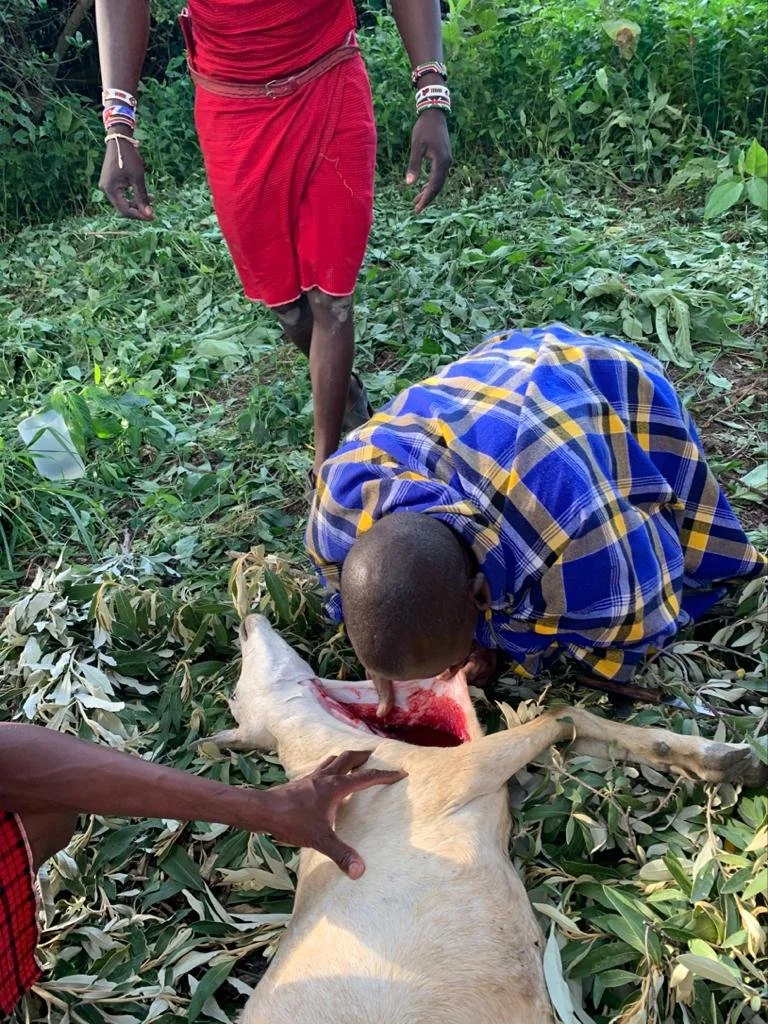
Masai Drinking Blood

Nights by the Fire and Local Brews

After a bush dinner, we gathered around the campfire with overlanders, exchanging stories while Salaton recited Maasai myths. We were also introduced to Enaisho, a traditional Maasai brew made from honey, aloe vera, and herbs—perfect for aiding digestion and sharing laughter.

The Widow’s Manyatta: A Strong Community

We also visited a widows’ village within the camp. In Maasai culture, widows cannot remarry, so they create their own communities. This manyatta allows women to live independently and raise their children together. 

A Night Under the Stars: Goat Slaughter and BBQ

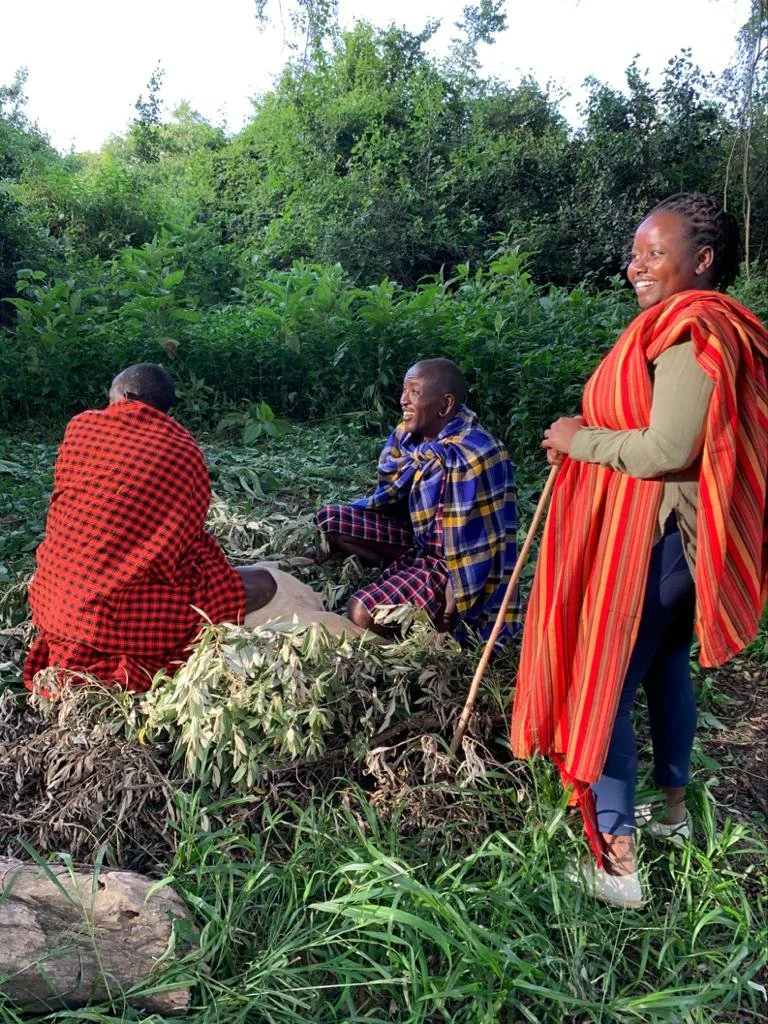
An 8km walk through the wilderness brought us to a hidden campsite where we observed a traditional goat slaughter ceremony, including blood drinking and storytelling from a Maasai elder. Though we planned to sleep under the stars, a looming storm saw us return to camp—just in time, thanks to Salaton’s weather-reading skills.
Supporting Girls’ Education: The Purple Cow School

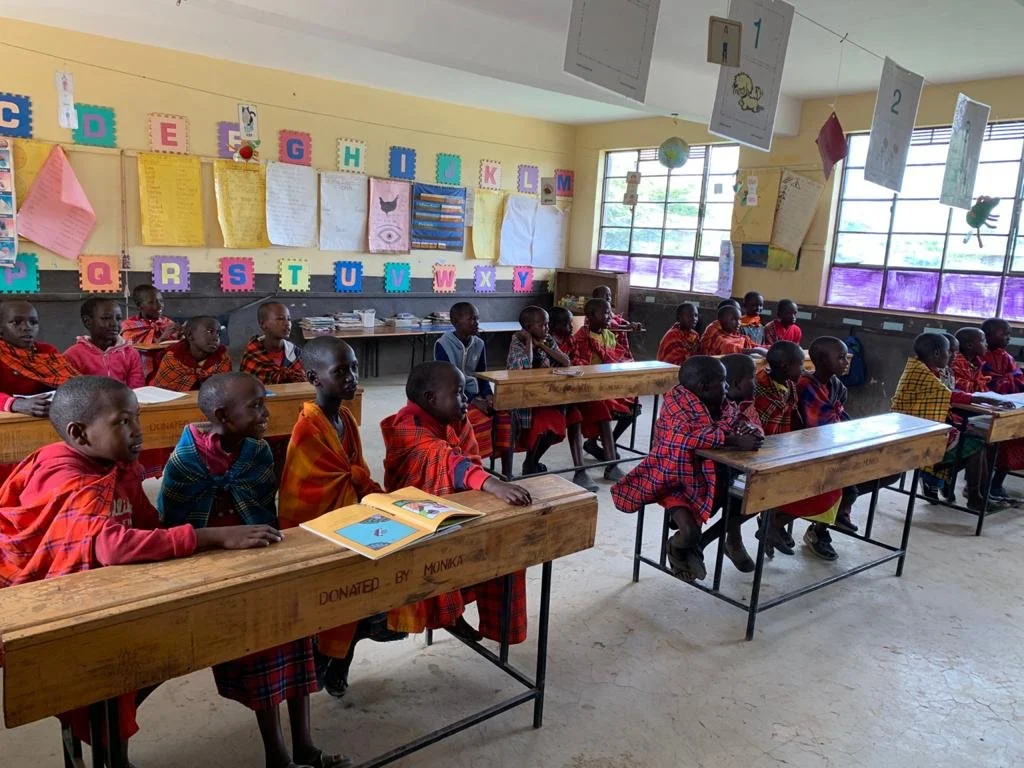
The next morning, after a peaceful night and hearty breakfast, we visited Enkiteng Lepa School, also known as The Purple Cow School. This safe haven supports girls aged 9–16 rescued from early marriages—a common issue in the Maasai community. Listening to their poems was both powerful and emotional.
Final Thoughts: Why Cultural Safaris in the Masai Mara Matter

The next day, we headed back to Suswa SGR with full hearts and deeper understanding. Cultural safaris in the Masai Mara offer more than just adventure—they’re powerful windows into heritage, resilience, and human connection. 

Plan your safari today!


11 March 2019 Cultural Immersion
Avatar photo
About Designer Safari

Since 2001, we're your Destination Management Company (DMC) and Tour Operator. We are certified members of IAGTO (Member no. 4756), KATO Kenya (Bonded member no. FE/322) and Travelife Partners.