
Great Migration Serengeti Tanzania: Witness the Spectacular Wildebeest Journey
The Great Migration in Serengeti, Tanzania, is one of the most awe-inspiring natural events on Earth. Each year, over 1.5 million wildebeest, accompanied by hundreds of thousands of zebras and gazelles, embark on a remarkable journey across the vast Serengeti plains. This epic migration is not only a breathtaking wildlife spectacle but also a vital part of the Serengeti ecosystem.
What is the Great Migration?
The Great Migration is the annual movement of vast herds of wildebeest and other grazing animals in search of fresh pastures and water. Driven by instinct and changing weather patterns, this incredible journey spans the Serengeti National Park in Tanzania and the Maasai Mara National Reserve in Kenya. Millions of animals travel hundreds of miles, making it one of the largest mass migrations of land mammals in the world.
When and Where Does the Migration Occur?
The migration typically begins between January and February, when wildebeest give birth to their calves in the southern Serengeti. As the rainy season ends, the herds start moving northward, following the rains and the growth of fresh grass. By mid-year, the animals reach the Mara River in northern Serengeti, preparing to cross into Kenya’s Maasai Mara. The timing and exact route of the migration can vary slightly each year depending on rainfall and other environmental factors.
The Spectacular Mara River Crossings
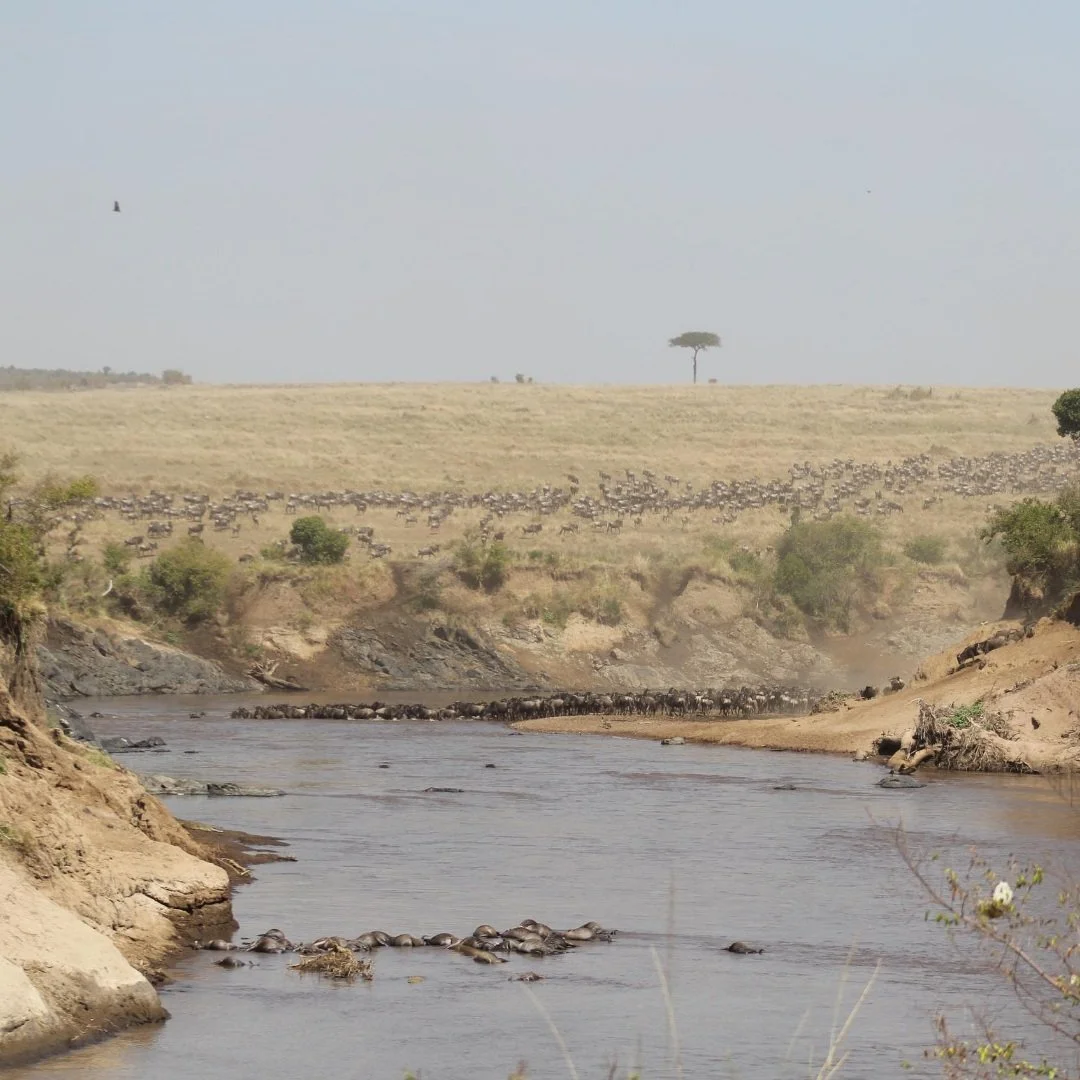
One of the most thrilling moments of the Great Migration is the crossing of the Mara River, usually taking place from July through August. The river crossing is filled with danger, as crocodiles lurk beneath the surface, waiting for their prey. The sheer number of wildebeest crossing at once can cause chaotic stampedes, creating a dramatic and unforgettable scene for anyone lucky enough to witness it. These crossings are often featured in wildlife documentaries and are a highlight for safari-goers.
Ecological Importance of the Migration
The Great Migration plays a crucial role in maintaining the health of the Serengeti ecosystem. The movement of millions of grazers helps to evenly distribute nutrients across the landscape, preventing overgrazing in any one area. Additionally, the wildebeest dung supports a diverse range of insects and smaller animals, which in turn provide food for larger predators. This dynamic balance helps sustain the rich biodiversity that makes the Serengeti so unique.
Planning Your Safari to See the Migration
If you are planning a safari to witness the Great Migration in Serengeti, Tanzania, timing is everything. Booking your trip between June and October offers the best chance to see the herds and dramatic river crossings. Partnering with an experienced safari guide will enhance your experience, helping you track the migration’s movements and stay safe during this adventure of a lifetime.
In conclusion, the Wildebeest Great Migration is a truly awe-inspiring event that has captivated people for centuries. Whether you’re a seasoned wildlife enthusiast or simply looking for a once-in-a-lifetime adventure, the Great Migration is an experience that should not be missed.
