
Why Are Safaris So Expensive?
As a tour operator, one of the most common questions we get is: “Why are safaris so expensive?” A better question might be, “Why are safaris more expensive than other vacations?” Let’s break it down.

The History of Safaris
The word “safari” comes from Swahili and means “journey.” Safaris began in the 19th century when European and Arab explorers ventured into Africa, initially for geographical discovery and later for big-game hunting. Over time, safaris evolved into wildlife photography and game-viewing experiences, especially as conservation efforts took center stage. Today, most safaris focus on appreciating Africa’s incredible biodiversity while respecting its ecosystems.
What goes into a Safari?
The typical African Safari is composed of accommodation, transportation, Park Fees/ conservation fees, guiding fees, tips and gratuities and international travel. We will go through each of these factors to understand why Safaris and travel to sub-Saharan Africa are generally more expensive than travel elsewhere in the world.
What Makes a Safari Costly?
Several factors contribute to the cost of an African safari, including accommodation, transportation, park fees, and international travel. Here’s why each adds up:
- Accommodation Safari lodges and camps are usually small and located in remote areas, unlike large resorts in destinations like Thailand or Egypt. For example, even larger lodges like Mara Sopa Lodge in Kenya’s Masai Mara have only 99 rooms. Running these remote properties is logistically complex and expensive, which reflects in the nightly rates.
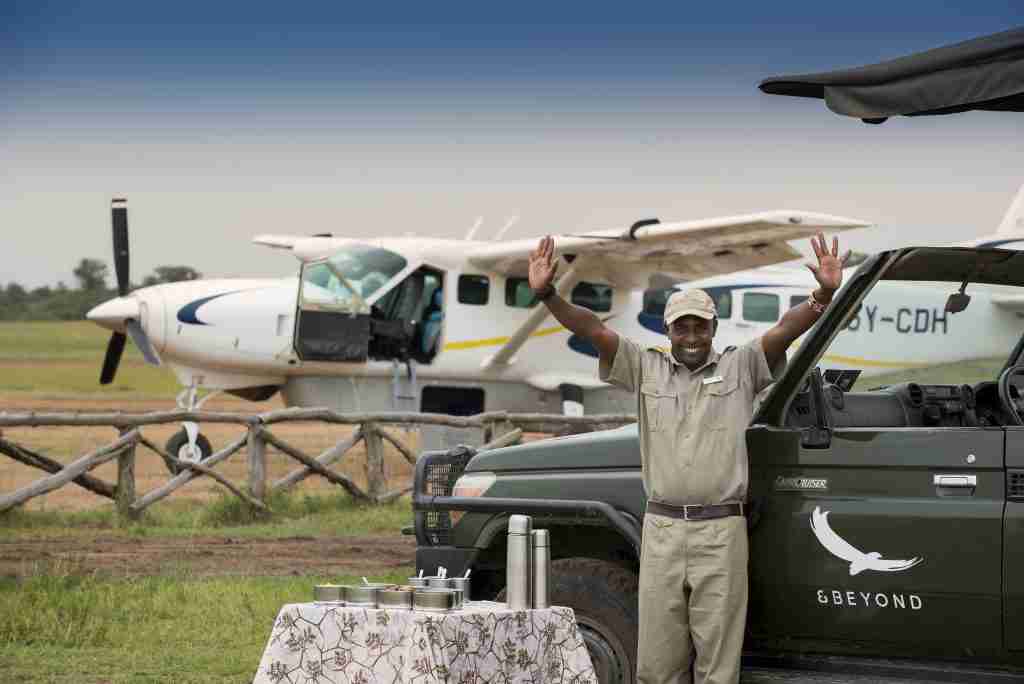
- Transportation Safari transport typically involves custom-built jeeps for game drives and domestic flights. In Kenya, hiring a safari jeep costs about $300 per day, and internal flights (e.g., Nairobi to the Masai Mara) can cost $330 for just 225 km. Transport alone can account for 25% of your safari expenses, significantly more than other global travel destinations.
- Park and Conservation Fees Africa’s vast wildlife reserves, like Kenya’s Tsavo National Park (13,747 km²), require substantial funding for protection. Visitors pay daily fees that directly support conservation efforts. For example, a gorilla trekking permit in Rwanda costs $1,500 per person, while entry to Kenya’s Masai Mara during the Great Migration is $200 per day.
- International Travel Flights to Africa are among the most expensive worldwide due to limited infrastructure, high taxes, and low competition. Expect round-trip fares to range between $1,000–$2,000, depending on the season and destination.
Is It Worth It?
Absolutely. While safaris are pricier than other vacations, they offer unparalleled, once-in-a-lifetime experiences. The breathtaking landscapes, extraordinary wildlife, and warm hospitality create a deeply fulfilling adventure. Proper planning and budgeting can ensure you get the most out of your journey.
Ready to experience the magic of Africa? Contact us today for a free, no-obligation quote, and let us craft your dream safari.
